
Quick answer
Wall seepage (seelan) is stopped by removing the damaged plaster, applying a cementitious waterproofing slurry to the wall, and re-plastering with a waterproofed mortar. Strip the plaster about 0.5–1 m above the visible damp line, apply two coats of SikaTop-107 Seal or SikaSeal-105 to the bare wall, then re-plaster using Sika-1 or Sikalite-101 in the mix. Painting over a damp wall does not cure it — the water source must be blocked first.
Common causes
- Rising damp from the ground where the damp-proof course (DPC) is missing or broken
- Leaking bathroom, kitchen or water-tank on the other side of the wall or the floor above
- Rainwater entering through cracks in external plaster or the roof
- Leaking concealed water or drain pipes
Step-by-step
- 1
Find and fix the source
Check for leaking pipes, a bathroom or tank behind the wall, and roof or external cracks. Fix the source first, otherwise the damp returns.
- 2
Remove the damaged plaster
Chip off paint and plaster down to the brick or block, about 0.5–1 m beyond the visible damp area. Rake out weak joints and brush away dust and salts.
- 3
Pre-wet the wall
Dampen the wall so it is saturated but without standing water — cementitious slurries need a moist surface.
- 4
Apply the waterproof slurry
Brush on two coats of SikaTop-107 Seal (about 1 kg/m² per coat) or SikaSeal-105 (2.0–4.0 kg/m² in total), the second coat at right angles to the first once the first has set.
- 5
Re-plaster with waterproofed mortar
Re-plaster using Sika-1 (1 part to 10 parts gauging water) or Sikalite-101 (2% by weight of cement). A SikaLatex bonding coat helps the new plaster grip the slurry.
- 6
Finish
Let the plaster cure, then fill and smooth with SikaWall-720 E skim coat before painting.
Always follow the current Sika Pakistan product datasheet for surface preparation, temperatures and curing.
Products for this job
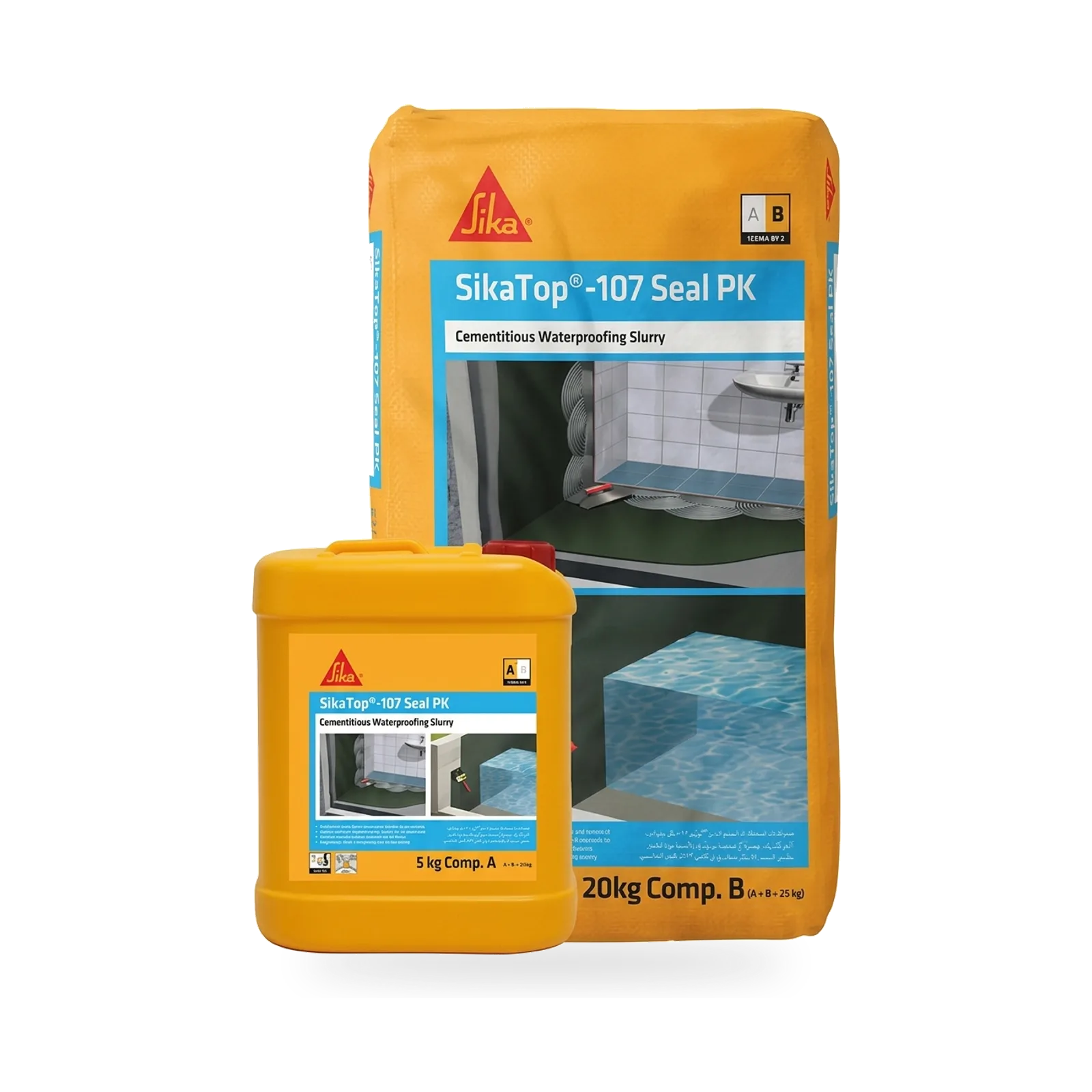 SikaTop-107 Seal PKFlexible two-component slurry for damp walls, basements, bathrooms and tanks.From Rs. 8,000
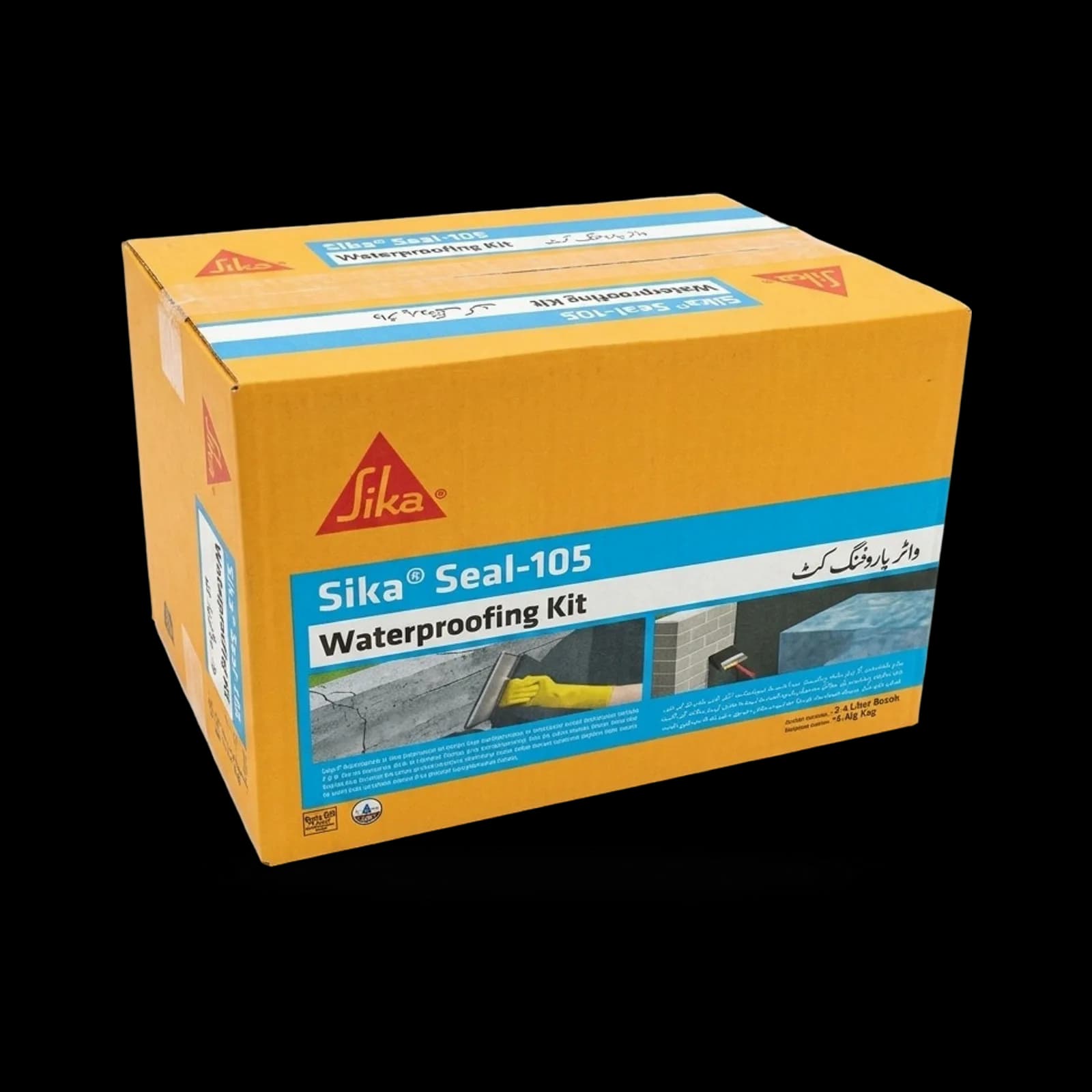 SikaSeal-105 PKMulti-purpose cementitious waterproofing slurry.From Rs. 3,700
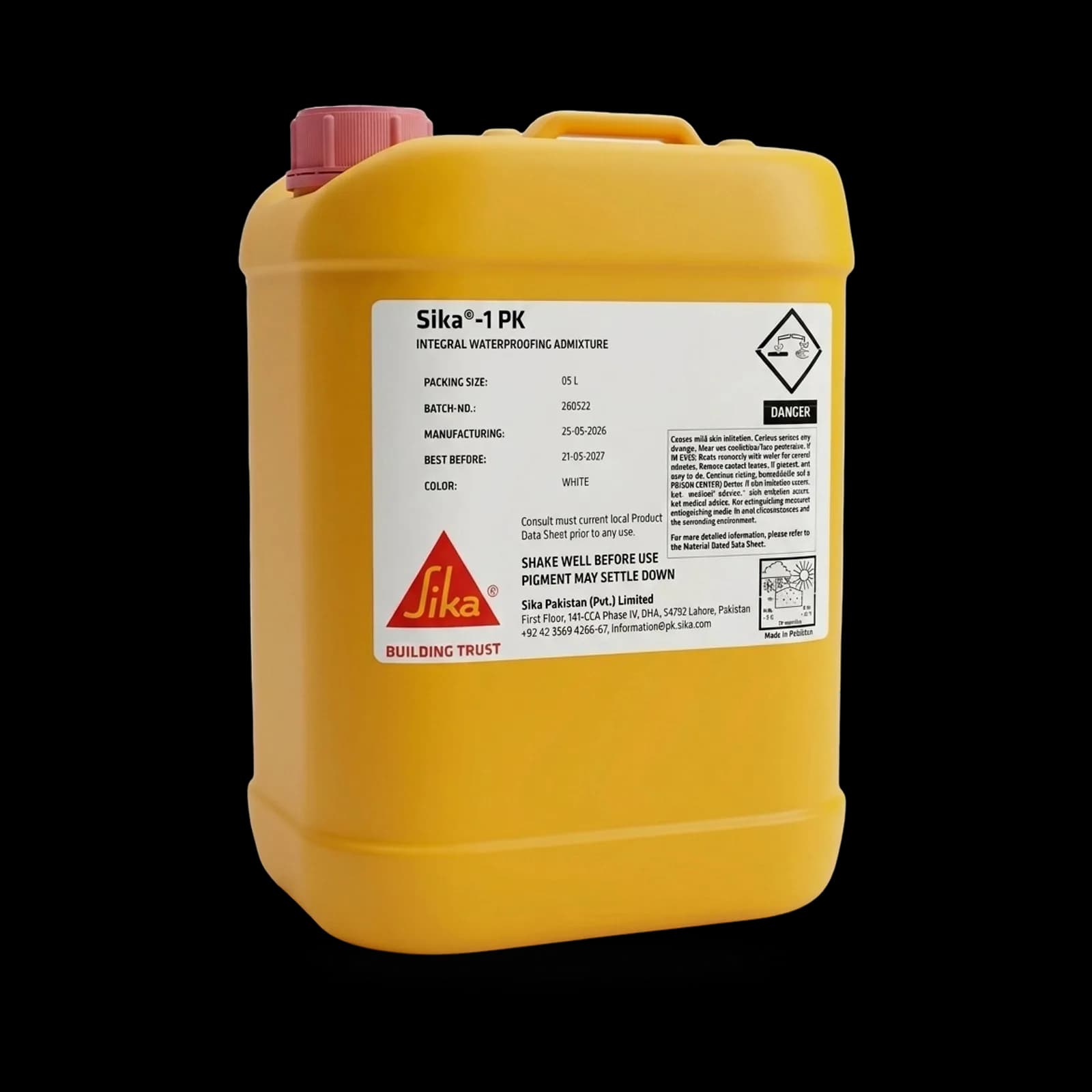 Sika-1 PKIntegral liquid waterproofer for the new plaster mortar.From Rs. 3,299
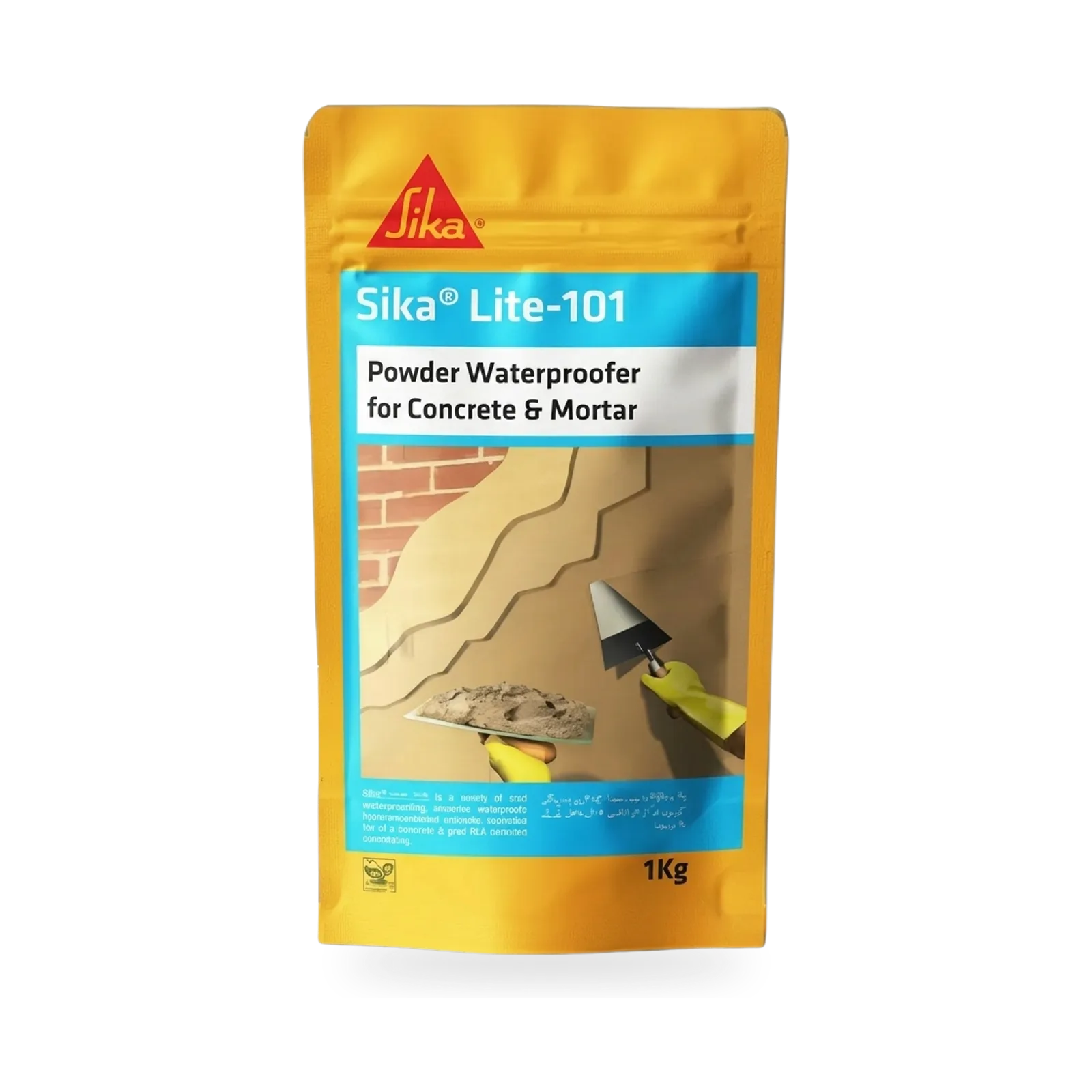 Sikalite-101 PKPowder integral waterproofer for plaster and screed (2% of cement).From Rs. 320
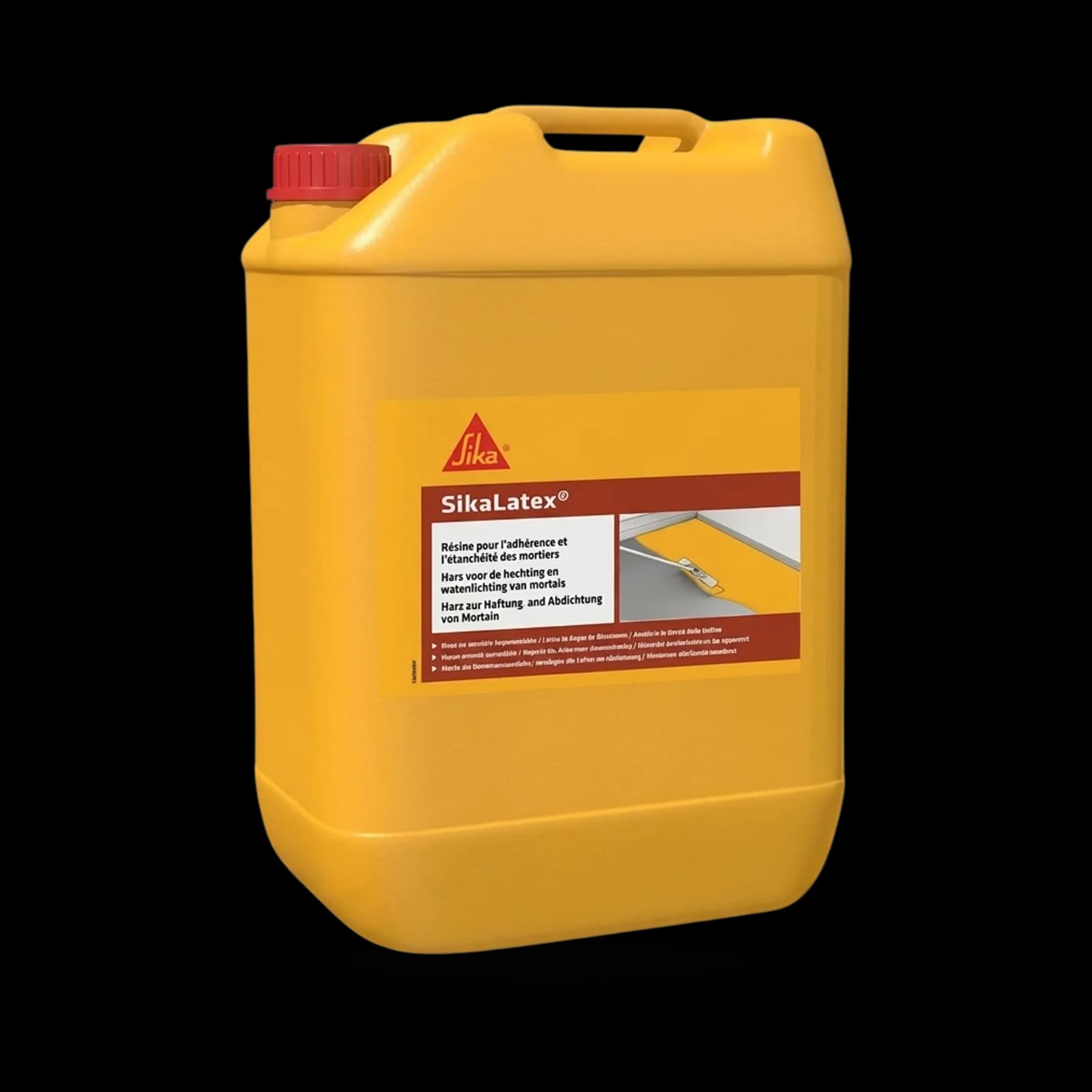 SikaLatex PKBonding agent between the slurry and the new plaster.From Rs. 5,300
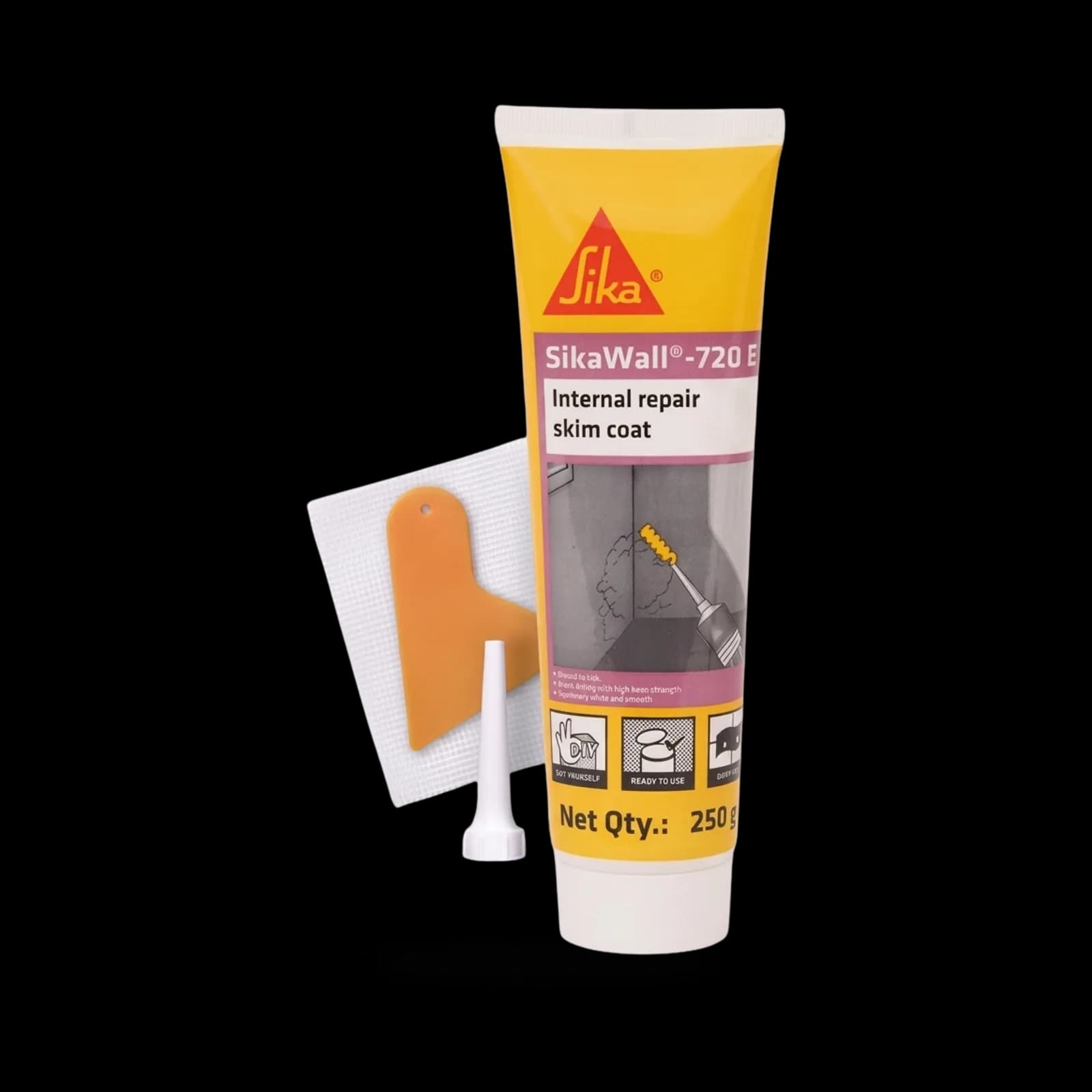 SikaWall-720 EReady-to-use skim coat to finish the repaired wall before paint.From Rs. 999
Frequently asked questions
Diwar ki seelan ka permanent ilaj kya hai?
Seelan wali jagah ka plaster utaar dein (damp line se 0.5–1 m upar tak), deewar geeli karke SikaTop-107 Seal ya SikaSeal-105 ke do coat lagayein, phir Sika-1 ya Sikalite-101 mila kar naya plaster karein. Sirf paint karne se seelan khatam nahi hoti — pehle paani ka source band karna zaroori hai.
Which chemical is used for wall dampness in Pakistan?
Cementitious waterproofing slurries such as SikaTop-107 Seal and SikaSeal-105 are applied to the bare wall, and integral waterproofers such as Sika-1 or Sikalite-101 are added to the new plaster. Together they block moisture from both the wall and the plaster.
Can I treat seepage without removing the plaster?
Not reliably. Coatings on top of damp, salt-damaged plaster peel off as the moisture pushes through. Removing the damaged plaster and treating the bare wall is what makes the repair last.
Why does paint keep peeling and showing white marks on my wall?
The white powder is salt carried by water moving through the wall (efflorescence). It is a sign of seepage or rising damp; the wall needs waterproofing, not just repainting.